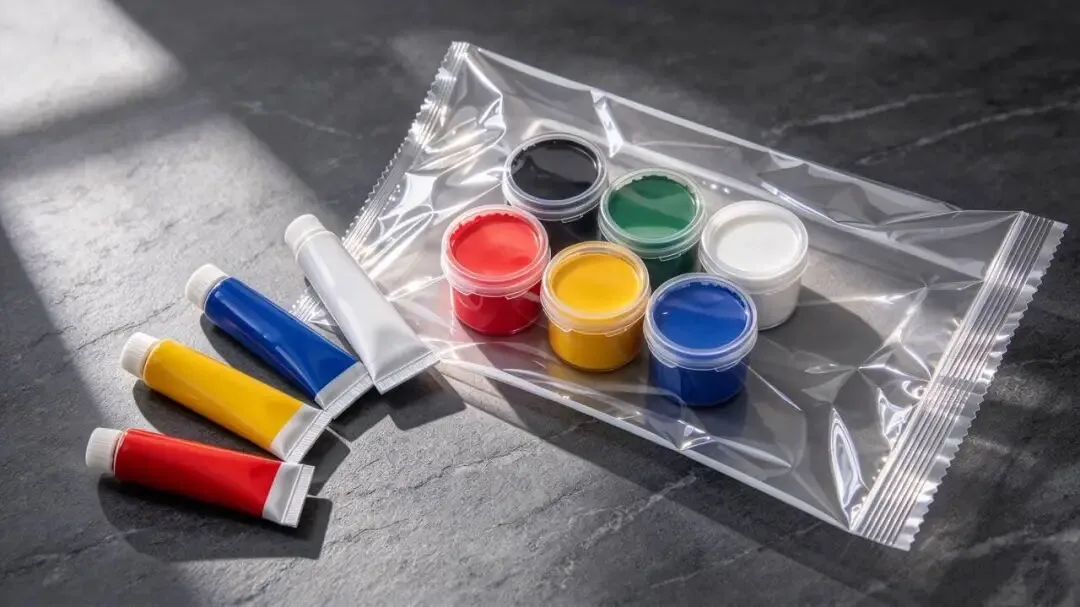
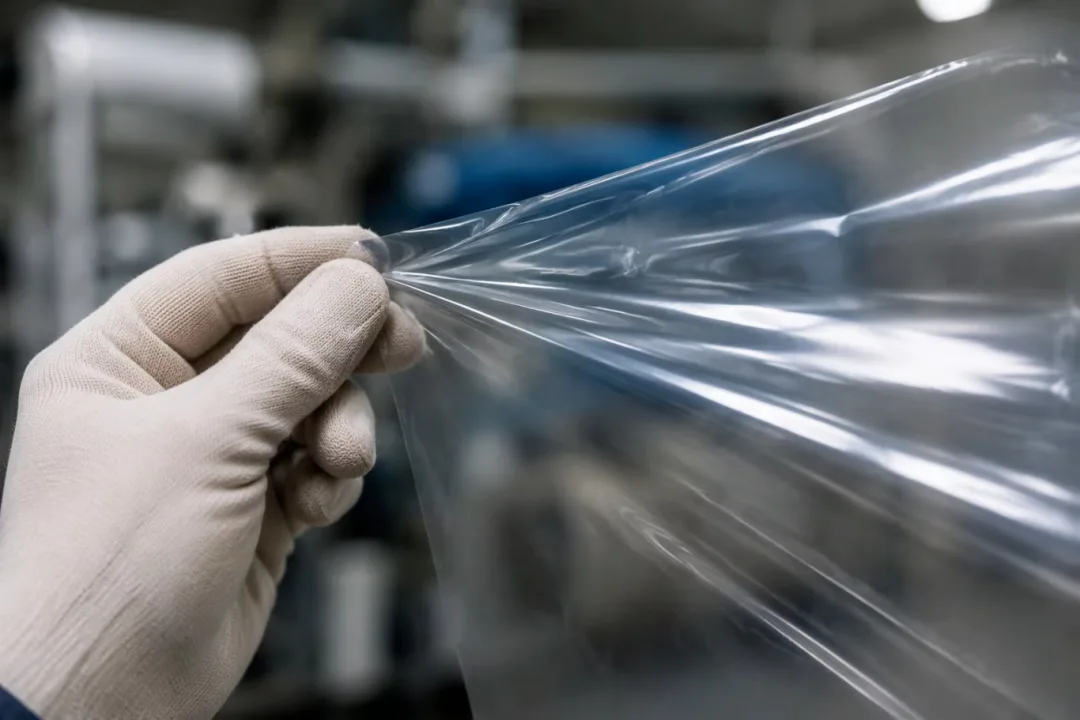
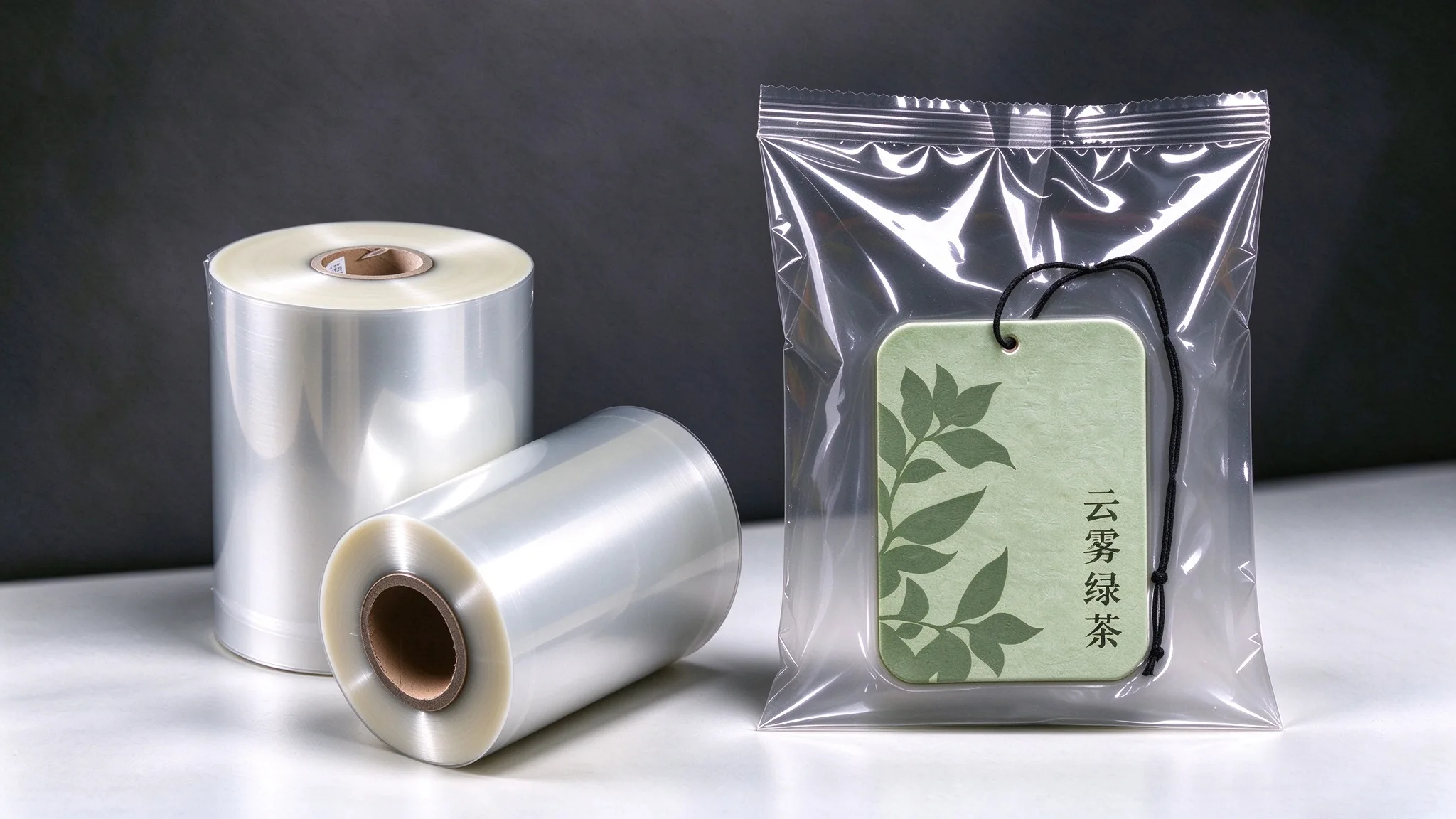
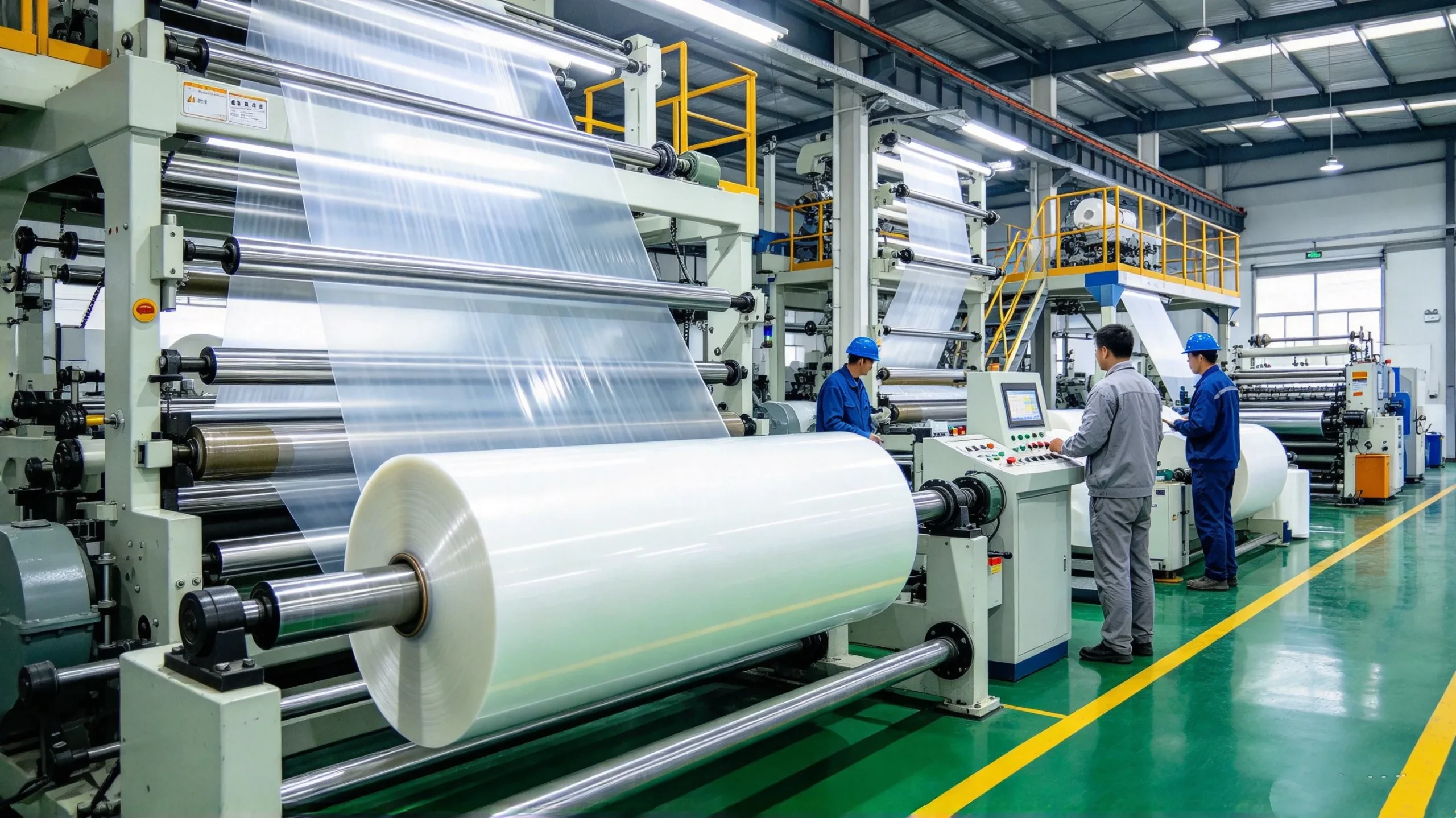
Ⅰ. 🧸 Why do modeling clay toys require specialized BOPP packaging film?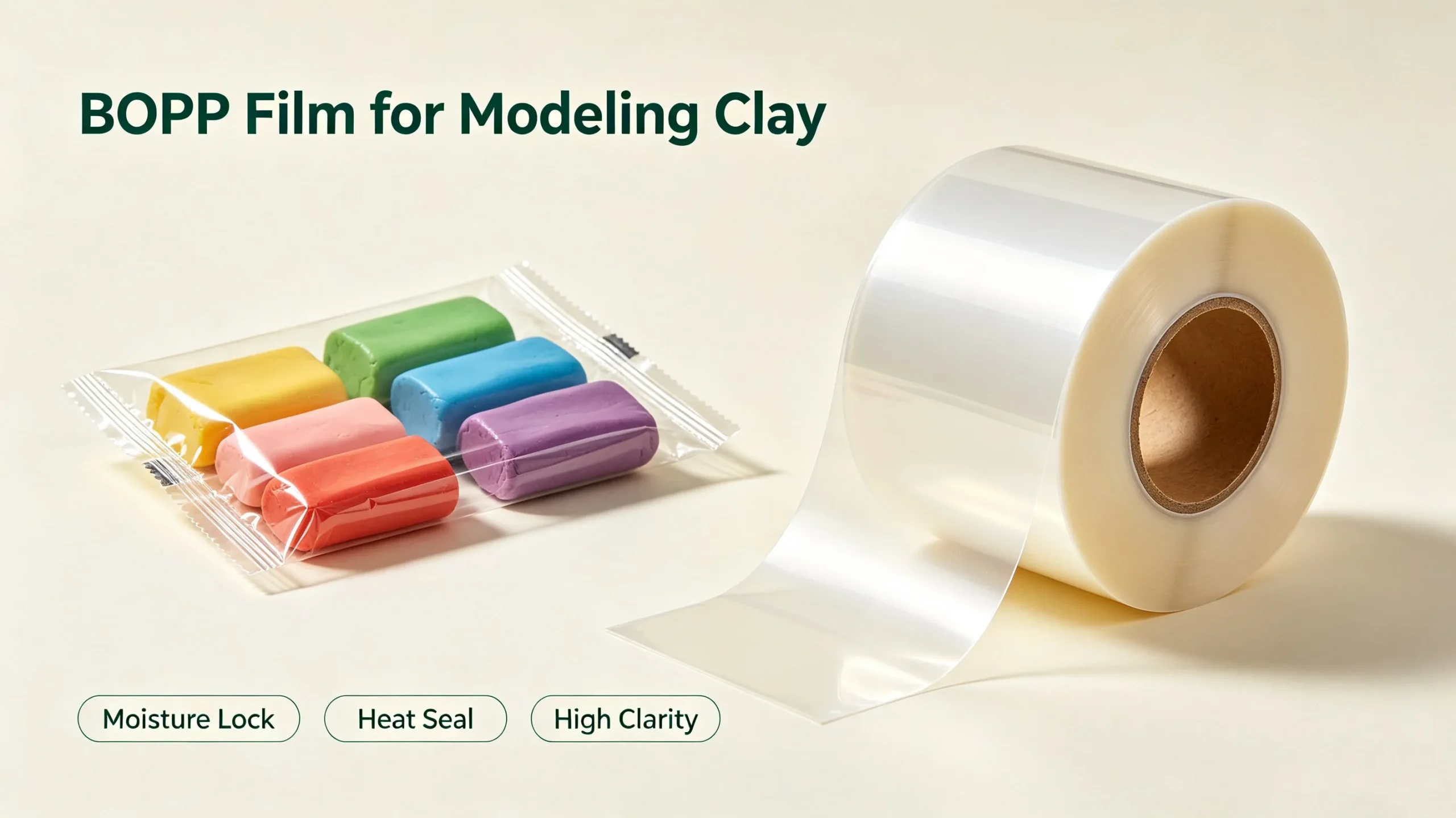
For soft children’s toys like modeling clay, colorful modeling dough, and ultra-light clay, the primary challenge is moisture loss and drying out. Standard PE or PVC films struggle to balance moisture barrier properties with heat-sealing performance; they either fail to seal tightly—causing the clay to dry, crack, and become unusable—or have poor breathability, leading to issues like moisture re-absorption, oil exudation, or mold growth during storage.
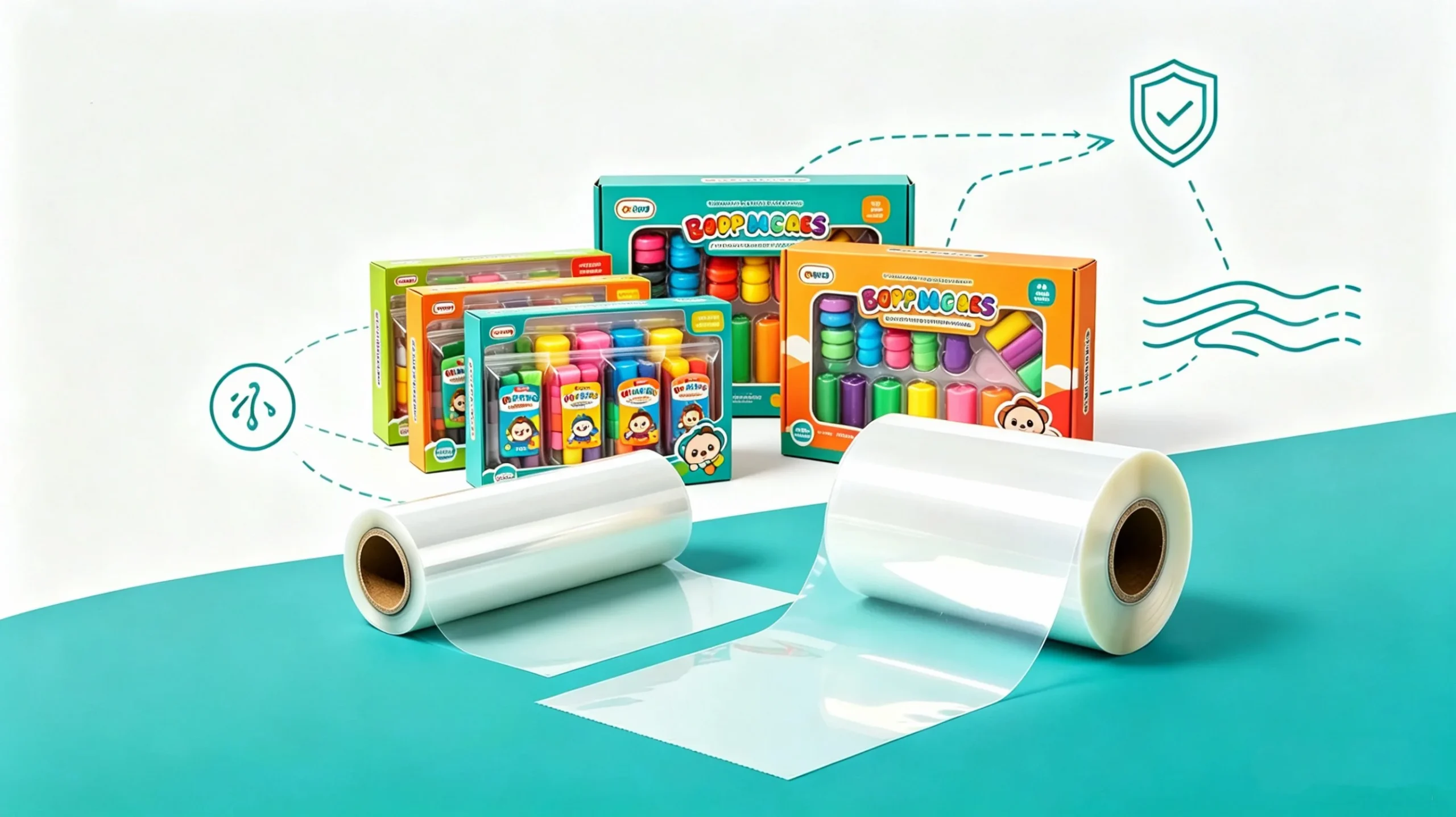
Packaging films for modeling clay toys typically utilize a modified BOPP substrate specifically engineered for the moisture content of the clay, making them an essential material for manufacturers. Their core function is to lock in moisture, maintain the clay’s soft texture, and extend shelf life. Additionally, the film offers stable heat-sealing and high transparency, allowing the clay’s colors to be clearly visible and enhancing visual appeal on retail and e-commerce shelves.
Unlike generic packaging films, specialized BOPP heat-sealable film for modeling clay balances three key criteria: safety, moisture retention, and heat-sealing performance. It is suitable for both individual small-sachet packaging and outer packaging for clay sets, making it the mainstream choice in the toy packaging industry.
Ⅱ. ✨ Key performance advantages of BOPP packaging film for modeling clay
1. Controlled moisture retention and barrier properties; effectively prevents drying and hardening
The quality of modeling clay depends heavily on moisture retention. Specialized packaging film offers precise moisture barrier capabilities, minimizing outward moisture evaporation to keep the clay soft during long-term storage. Barrier parameters are fine-tuned to prevent “suffocating” the clay—avoiding issues like oil exudation or spoilage caused by excessive barrier levels.
2. Stable heat-sealing performance; compatible with high-speed packaging lines
The film features a modified heat-seal layer that accommodates a wide temperature range, ensuring smooth, secure seals that resist bursting or leakage. It performs reliably on both semi-automatic bag-making equipment and fully automated clay filling and packaging lines, helping toy factories boost packaging efficiency and reduce defect rates.
3. High transparency and low haze; showcases product colors
With excellent light transmission and low haze, the film allows consumers to clearly see the color and form of the modeling clay inside the package. Its excellent visual presentation enhances product appeal, making it ideal for retail sales of both individual packs and sets of children’s modeling clay.
4. Safe PP material suitable for children’s toys
Made from compliant, food-contact-grade modified BOPP, the material is odorless and meets safety standards for heavy metal content and toy packaging. It is suitable for packaging modeling clay, ultra-light clay, “space clay,” and other children’s craft toys.
5. High toughness and tear resistance
The film roll offers excellent tensile strength, resisting tearing or bag breakage during boxing, warehousing, and stacking for long-distance transport. This minimizes product loss and reduces after-sales issues.
Ⅲ. 📦 Main Application Scenarios for Modeling Clay Packaging Film
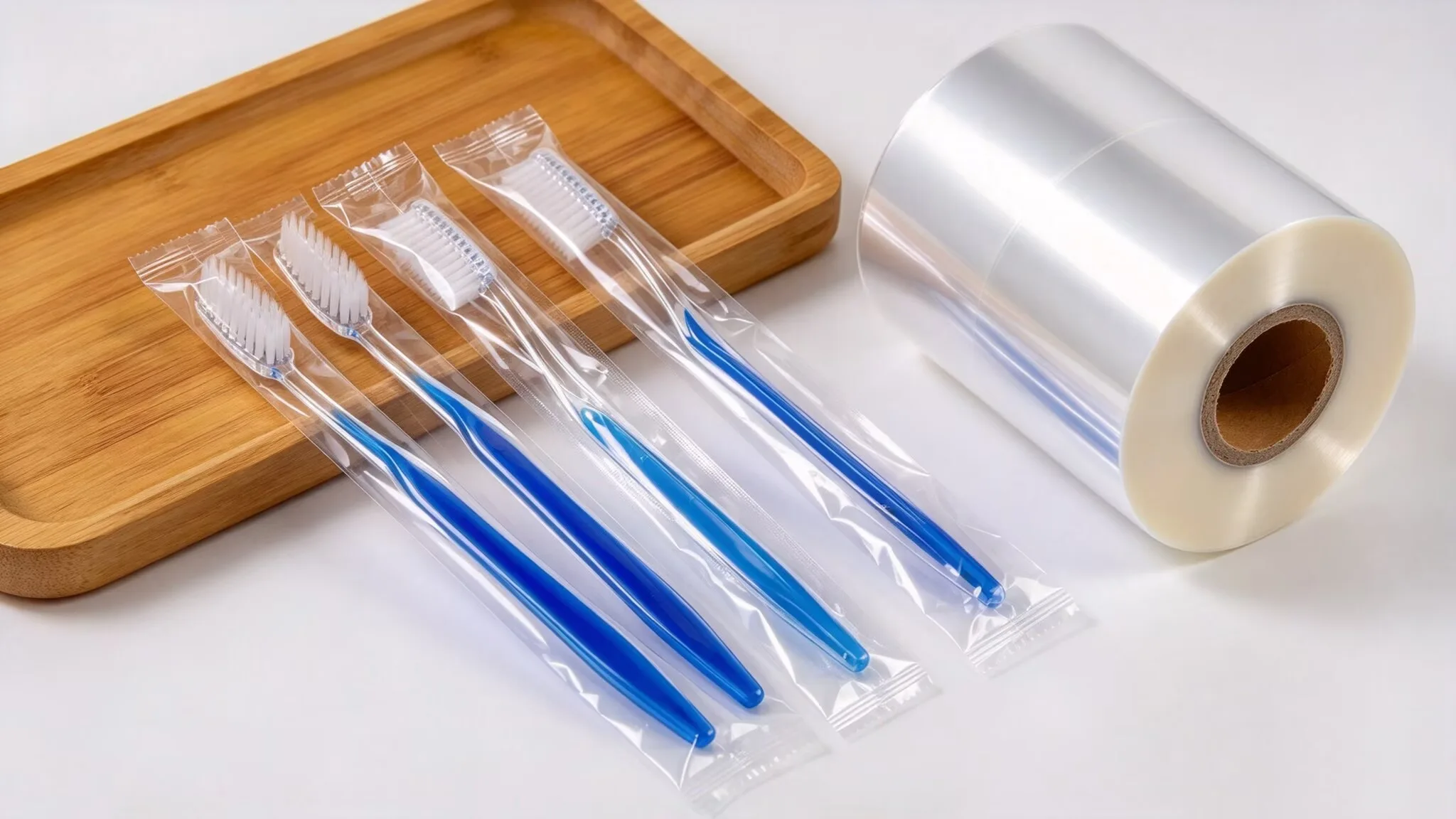
· Individual small packaging bags for children’s modeling clay (single colors)
· Composite outer packaging for multi-color clay sets
· Roll-stock packaging for ultra-light clay and “space clay” craft toys
· Custom-printed options featuring cartoon graphics, brand logos, and safety warnings
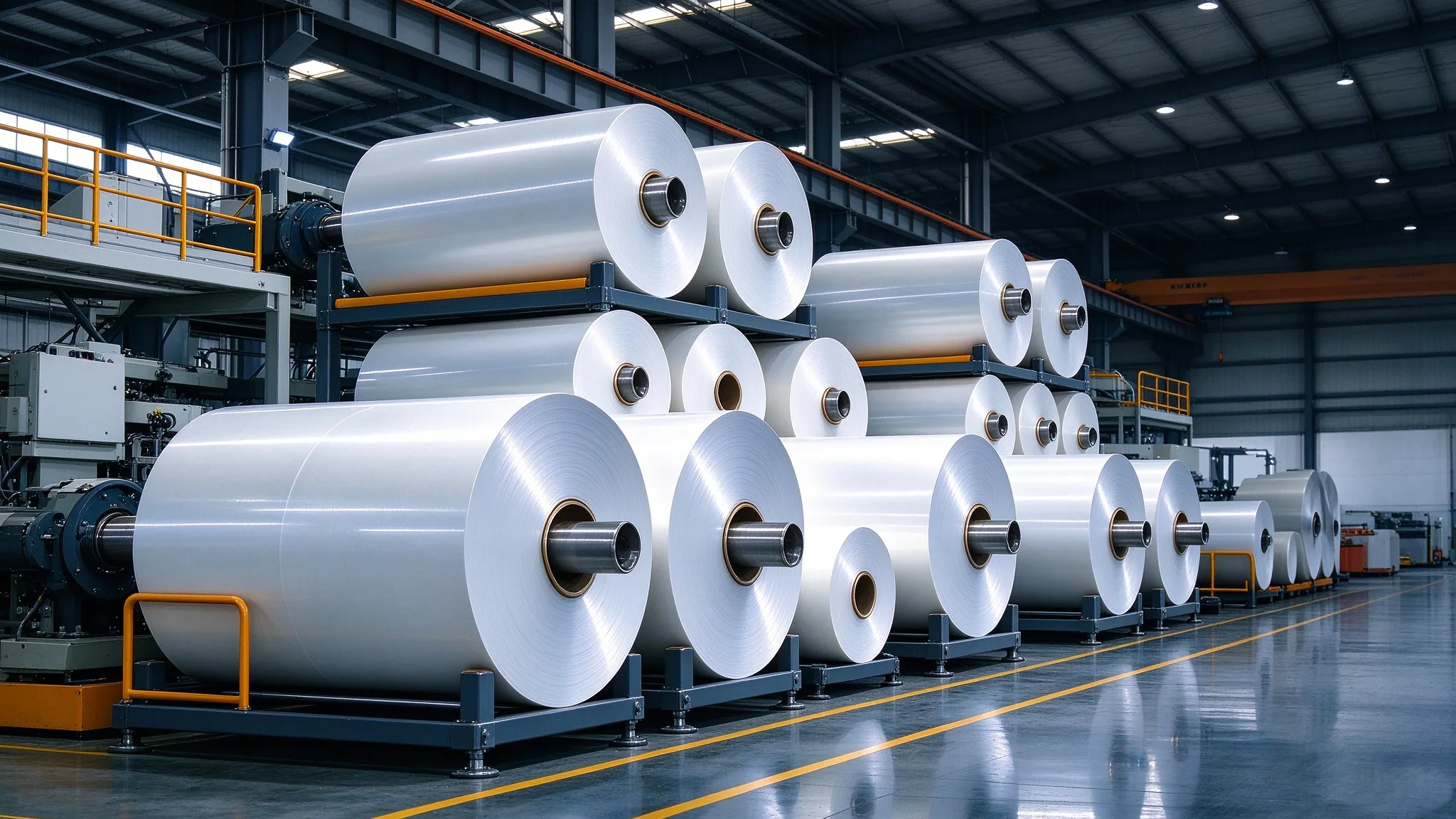
· Bulk roll procurement for toy factories, with customizable width and thickness specifications
Ⅳ. 📝 Practical Tips for Selecting Modeling Clay Packaging Film
First, verify whether the film has a built-in heat-seal layer. Standard BOPP film cannot be heat-sealed into bags; modeling clay packaging requires BOPP film with single-sided or double-sided heat-sealing capabilities. Second, match moisture barrier parameters to the clay’s formula. Different formulas have varying moisture content, requiring adjustments to the film’s barrier properties to prevent the clay from drying out or absorbing moisture and becoming oily. Third, determine printing requirements. If brand graphics are needed, select a base material that supports surface printing to ensure good ink adhesion. Fourth, check roll specifications and select a size compatible with the factory’s existing packaging machinery (width and speed) to minimize material waste.
Ⅴ. 📌 Summary
Packaging film is a critical material that determines the storage quality of modeling clay toys. Specialized heat-sealable BOPP film for modeling clay combines moisture retention, moisture resistance, strong heat-sealing, high transparency, and safety into one solution. By selecting the right packaging film, toy manufacturers can effectively prevent modeling clay from drying out and cracking, thereby stabilizing product quality and reducing inventory losses; simultaneously, transparent packaging enhances the product’s visual appeal and strengthens its market competitiveness. Amidst the increasingly fierce competition in the modeling clay industry, the choice of packaging film has become a crucial factor in upgrading product quality.
Company Introduction:https://en.qdzzpackaging.com/qingdaozhongzheng/
If you want to learn more about our products, you can find out more through Facebook