BOPP Film Market Monthly Report|October
01 · MARKET TONE 📌
Market Backdrop: A Lackluster Peak Season and Stagnant Price Trends
October continued the trend seen in September—a “peak season” that failed to deliver. The anticipated restocking typical of this time of year did not materialize; instead, the market is locked in a tug-of-war where cost pressures push for higher prices, yet demand refuses to follow suit.
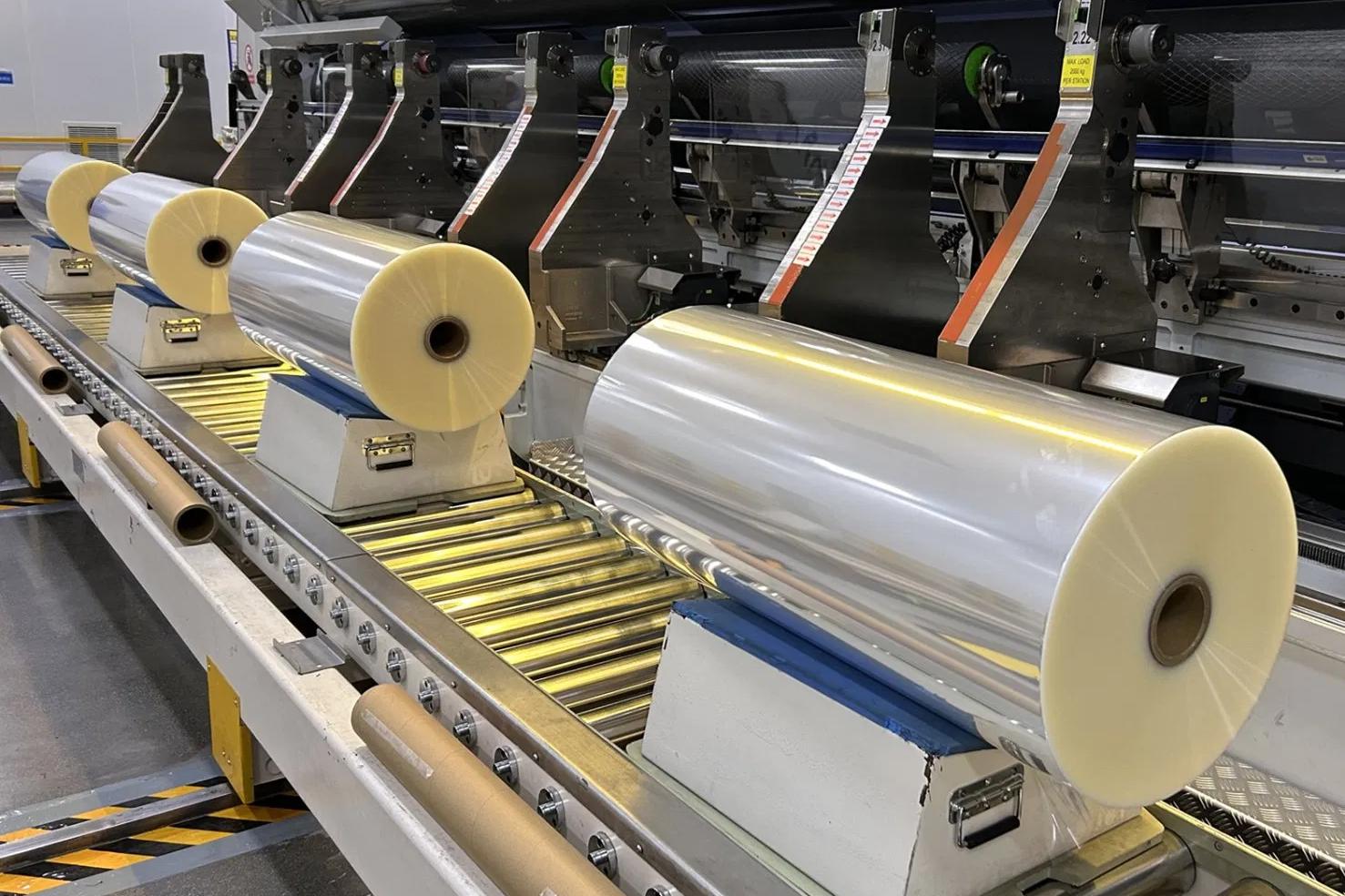
Rolls of film sit quietly stacked in warehouses. Downstream buyers hesitate to build inventory, film manufacturers avoid running at full capacity, and traders refrain from stockpiling—each party waiting for the other to make the first move. The market lacks not goods, but the certainty required to take a risk; consequently, market momentum has lost its elasticity.
02 · COST DRIVERS ⚙️
Cost Side: High Raw Material Prices and Industry Disparities
BOPP prices are anchored to polypropylene; fluctuations in crude oil and raw material costs are the primary variables disrupting the film market.
Crude Oil (Source of Volatility) ▶ Polypropylene (Price Anchor) ▶ BOPP Film Prices (Tracking Fluctuations)
Profitability varies across the supply chain: upstream integrated players enjoy relatively solid margins, while processing margins thin out as one moves further downstream.
“Upstream eats the meat, midstream drinks the soup” –processing margins shrink progressively along the supply chain.
Film manufacturers lacking hedging capabilities are forced to shoulder the full burden of cost pressures whenever raw material prices spike.
03 · SUPPLY SIDE 📦
Supply Side: Overcapacity and Homogenized Competition
What keeps film prices suppressed is the overcapacity that has long loomed over the industry. With new production facilities coming online in succession, capacity growth is outpacing demand, causing the supply-demand balance to tilt continuously toward the supply side.
Even more challenging are the structural issues: ✅ Low-to-mid-end general-purpose films: Severe product homogenization; fierce price wars in a crowded market. ✅ High-value-added functional films: Certain categories still rely on imports.
Opportunities often lie in differentiated products—offering what others do not.
04 · DEMAND SIDE 🛒
Demand Side: Downstream Restraint and Shift in Purchasing Habits
Operating rates in downstream sectors—such as packaging, printing, and adhesive tapes—remain low. Processing plants generally procure materials strictly on an “as-needed” basis, with speculative stockpiling virtually non-existent.
After experiencing several rounds of wild price swings, downstream players have stopped gambling on market trends, prioritizing cash flow security and inventory turnover instead. The lack of a traditional “peak season” surge is, to some extent, the price paid for the market becoming more rational.
05 · FIELD NOTES 📝
Observations: Trade, Regional Dynamics, and Exports
- Trade|Traders are shifting from “earning the price spread” to “earning through service”—establishing themselves by matching specifications, coordinating delivery schedules, and sharing inventory risks. Film has reverted from a speculative asset to a commodity requiring stable delivery.
- Regional|Disparities exist between northern and southern markets; trading is active in downstream hubs like East and South China, while production facilities far from major consumption centers are constrained by logistics radii.
- Exports|Exports serve as a buffer against weak domestic demand, yet the barrier to entry keeps rising. Overseas clients look beyond mere quotes, prioritizing consistent quality, certifications, and supply sustainability; competition has shifted from price wars to standards-based rivalry.
06 · PROFIT MAP 💹
Production Line Choices and Profit Redistribution
A company’s fate hinges on its product positioning. Producing standard thick films places a firm in a low-margin “red ocean”; only by entering the markets for thin, functional, or eco-friendly films can a company maintain a price premium.
Profit Redistribution
- Upstream Integrated Players: Profits remain relatively solid and respectable.
- Trading Sector: Transitioning to service-based models; earning only meager price spreads.
- Small and Medium-sized Film Plants: Teetering on the edge of loss.
The players capable of weathering the cycle fall into two categories: integrated firms that span the entire value chain—from raw materials to film production and end-use applications—and technology-driven manufacturers deeply rooted in niche market segments. The industry shakeout is not a sudden collapse but a quiet process unfolding across successive quarters of razor-thin margins.
07 · OUTLOOK 🔭
Market Outlook: Range-bound Fluctuation; Watch for Key Signals
Short-term Costs provide a floor, while demand acts as a ceiling. Raw material costs limit the downside, while weak demand caps the upside; film prices will likely fluctuate narrowly around the cost line, with a “stalled rise and limited fall” scenario becoming the norm.
Medium to long term Capacity rationalization and product upgrading will proceed in tandem. Excess capacity is being gradually cleared, and product portfolios continue to evolve. Rather than speculating on price movements, it is better to focus on three key signals:
- Inventory bottoming out often precedes the price bottom.
- The sustainability of raw material strength determines the level of price support.
- The pace of new capacity commissioning dictates the speed at which supply-side pressure is released.
Conclusion
The film market in October saw no dramatic swings, yet clues of change were hidden throughout. Market cycles inevitably turn; what ultimately sets companies apart is not the anticipated price rally, but the internal capabilities honed during the quiet times.
Recommended related products: heat-sealable-film
If you want to learn more about our products, you can find out more through Facebook