BOPP Market Analysis Report
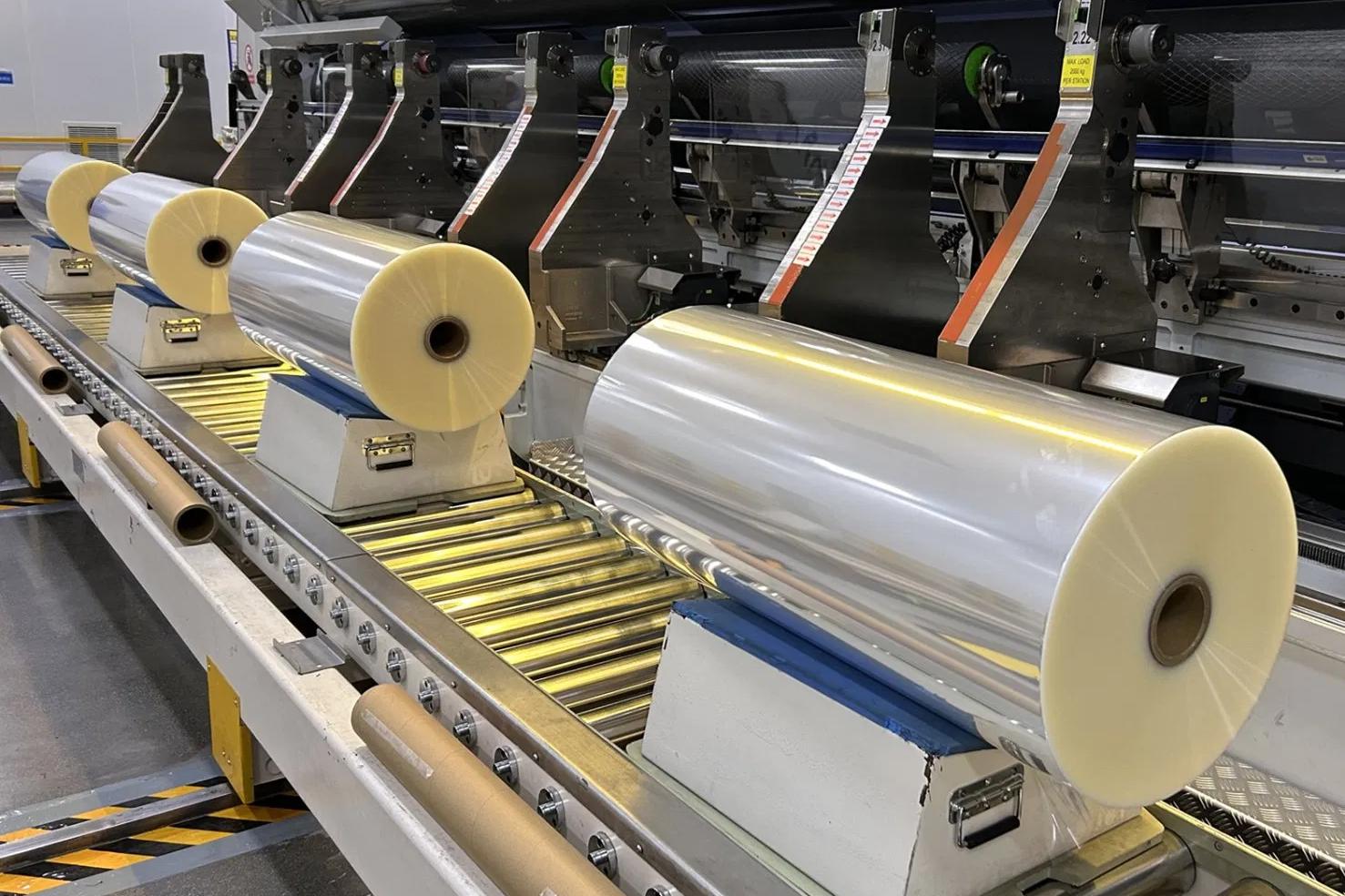
📈 1. Market Recovery Overview After a month or so of stagnation, the BOPP market has finally warmed up: film prices are inching upward day by day, price lists are being revised repeatedly, and sales representatives are fielding a noticeably higher volume of calls. The key takeaway is that this rally is driven by rising costs rather than pulled by demand.
Qingdao Zhongzheng recently analyzed the market dynamics: conditions are shifting, so it is crucial to first clarify the direction—this rally is being driven by costs, not pulled by demand.

📊 2. Annual Price Trend Review Looking at the year as a whole, the price trajectory of BOPP followed a pattern of an initial surge, a subsequent pullback, and a final stabilization followed by an upward turn. The mid‑year spike was driven by geopolitical conflicts pushing up oil prices—a market movement essentially “dropped from the sky.” Once tensions eased and the strait reopened, the geopolitical premium rapidly evaporated, causing prices to drift steadily downward before stabilizing; currently, the market is showing signs of rising amidst that stability.
🔍 3. Core Characteristics of the Current Rally
✅ Support Side: Solid Cost‑Driven Momentum The upward momentum is driven by solid cost‑side support: virtually no new polypropylene (PP) capacity has come online this year, while existing facilities have undergone clustered maintenance, keeping spot supply tight—a situation further exacerbated by the recent full‑scale shutdown of a major PP plant. Raw material prices have surged even more sharply than film prices, placing the full burden of cost pressure on film manufacturers.
❌ Restraint Side: Lack of Explosive Demand Growth Conversely, the rally lacks explosive force because demand has yet to see a genuine surge: downstream buyers are purchasing strictly on a “hand‑to‑mouth” basis—while inquiries are plentiful, actual orders are limited to immediate needs rather than large‑scale releases. With everyone inclined to wait and see, price increases are proceeding only in small, incremental steps.
📉 4. Key Industry Data Evidence Two sets of data tell the story clearly.
First, the industry’s operating rate is languishing at a multi‑year low—far below the level seen at the same time last year—with the majority of production capacity idled; the issue isn’t a lack of desire to operate, but rather that doing so results in a loss.
Second, order backlogs at film manufacturers have grown significantly, extending several days longer than a year ago, with some plants fully booked. While orders are picking up, manufacturers are generally still struggling with negative gross margins: they are still fulfilling low‑priced orders accepted earlier using high‑priced raw materials. Consequently, while the numbers on paper might look passable, actual operational reality is grimmer, leading companies to prefer running at reduced loads rather than risking full‑capacity production.
🍂 5. Outlook for the “Golden September & Silver October” Peak Season
💡 Fundamental Peak‑Season Demand Support The “Golden September and Silver October” peak season is no mere myth: food companies typically begin stocking up for the holidays a month or so in advance, with gift boxes and anti‑fog packaging for mooncakes, pastries, and snacks leading the charge, alongside steady growth in packaging for personal care product promotions and e‑commerce logistics; given the back‑to‑back Mid‑Autumn Festival and National Day holidays, the volume involved is substantial.
⚖️ Three Critical Variables for This Peak Season However, this year’s peak season will not simply mirror the past; its outcome hinges on three key factors:
- Oil prices and geopolitics—the biggest variables—where a significant drop in oil prices could abruptly halt any upward momentum;
- The pace of supply recovery—specifically the speed of restarting facilities after maintenance and bringing new capacity online—which directly determines the ceiling for price increases during the peak season (historically, “lackluster peak seasons” have often been caused by issues here);
- The actual materialization of demand—with order data from the first two weeks of the peak season revealing whether the anticipated surge in stocking activity truly takes place.
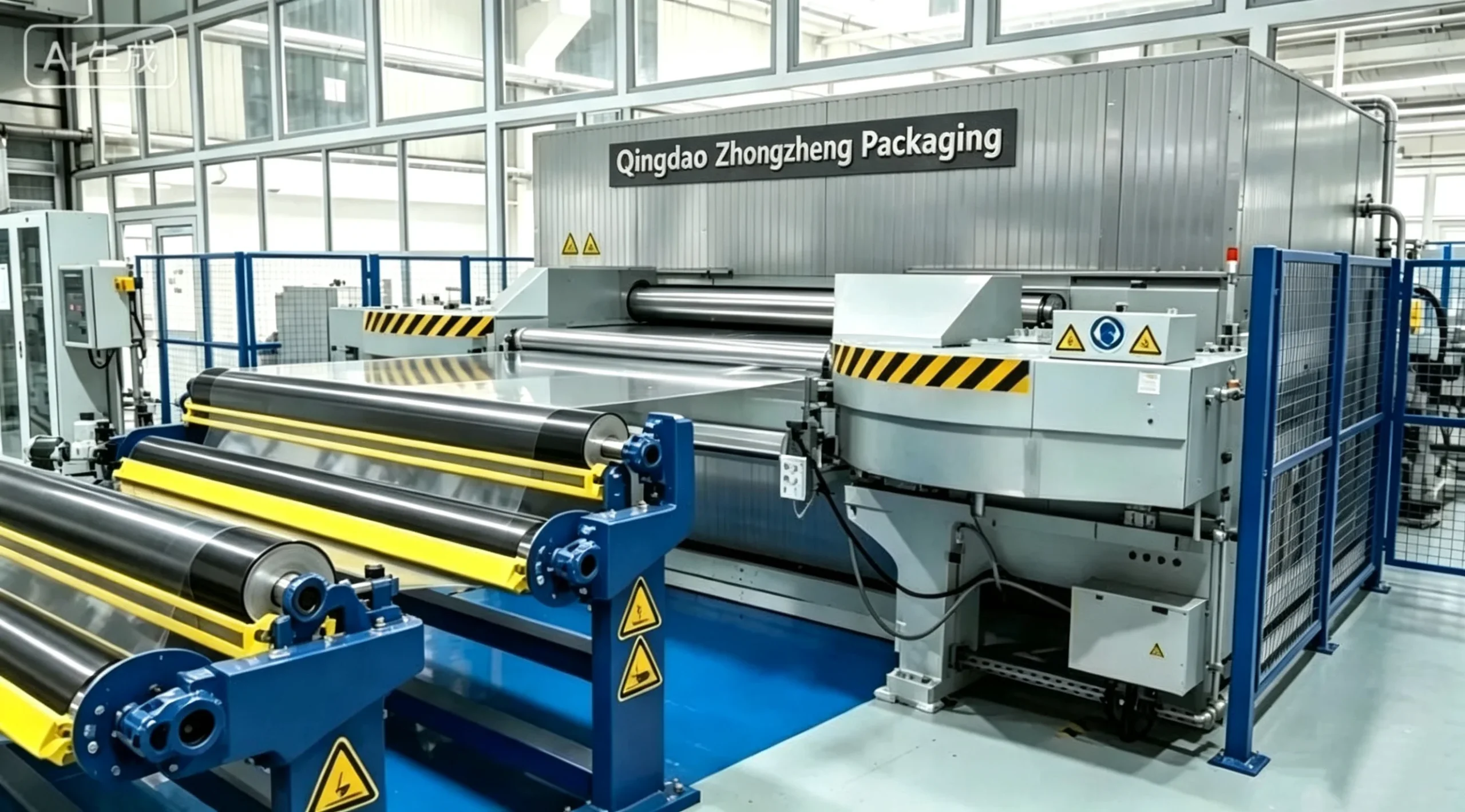
📝 6. Overall Market Trend Assessment Overall assessment: During the peak season, price levels will trend moderately upward—advancing two steps and pausing one—without experiencing unilateral surges or sharp drops; however, a pullback from highs remains a possibility if oil prices reverse course or if restocking falls short of expectations.
💡 7. Practical Strategy Recommendations by Stakeholder
👉 For Downstream Buyers Build positions in batches rather than going “all‑in” at once; the worst moves during peak season are chasing rallies, panic‑selling, and gambling on finding the absolute market bottom. Secure delivery schedules early—lead times for popular specifications will only lengthen during peak production, and running out of material is far worse than paying a higher price. Negotiate quarterly or monthly framework agreements for large orders to lock in supply volumes and favorable terms. Monitor four key indicators—raw material spot and futures prices, operating rates, order schedules, and social inventory—as market signals are more reliable than forecasts.
👉 For Film Manufacturers Align production with orders; decisively cut operating rates if profit margins turn negative, as cash flow matters more than output volume. Implement price adjustments fully in one go rather than testing the waters incrementally. Screen customers based on payment history, profitability, and stability; let go of those who drain your resources and retain those who sustain your business—scale of volume is not a competitive moat; stable profitability is.

✅ 8. Core Conclusions & Market Operation Guidelines To conclude, three certainties stand out: costs will not drop in the short term, low operating rates provide a floor for prices, and restocking will happen but without extreme urgency. The operational strategy is simple: avoid chasing highs or bottom‑fishing, stock up in batches, lock in delivery dates, and watch the market signals. No matter how the market shifts, focusing on product quality and building the right relationships is a strategy that never fails.
Related Product Recommendations:heat-sealable-film
If you would like to learn more about the products, you can visit my profile: https://www.facebook.com/profile.php?id=61593754752513&sk=about